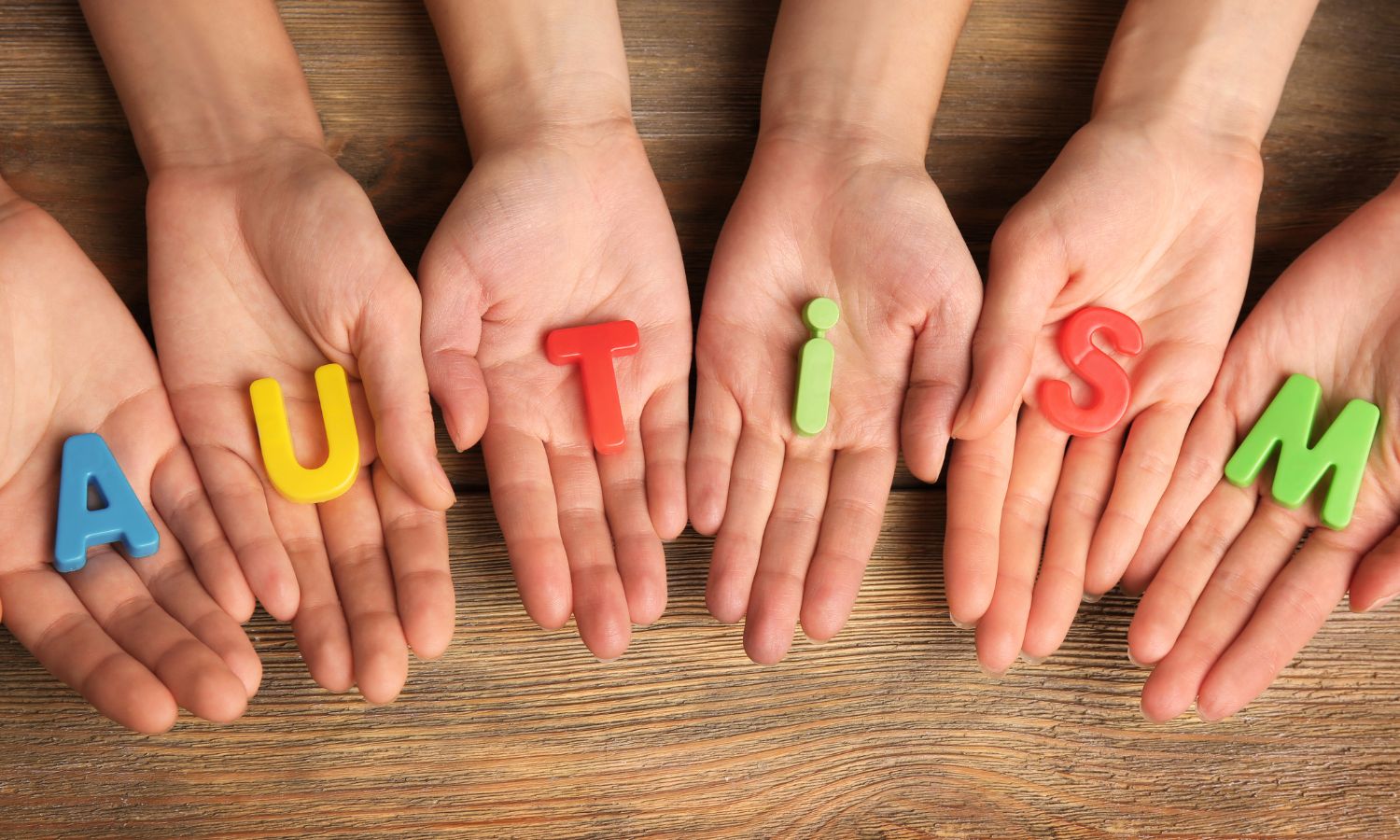
Even if you haven’t yet officially diagnosed your child with autism, certain treatments may be beneficial. The Individuals with Disabilities Education Act allows these treatments for children who are under 3 years old and may be at risk of developmental problems.
Your child’s needs will determine the type of treatment they receive for autism range disorder. ASD is a range disorder, meaning that some children will have mild symptoms while others may have severe ones. There are many different treatments available because each child is unique.
They may include different types of therapy to improve speech and behavior, and sometimes medication to manage any medical conditions associated with autism.
Treatments for your child will vary depending on their needs and situation, but their goal remains the same: reduce symptoms and improve learning and development.
Treatments for Behavior and Communication
ABA is a term used to describe Applied Behavior Analysis. ABA is used by schools and clinics for your child to learn positive behavior and reduce negative behaviors. The approach can improve many skills and is available in different forms for different situations.
- Simple lessons and positive reinforcement are used in discrete trial training (DTT).
- The pivotal response training (PRT), which is a form of communication and learning, helps to develop motivation.
- Children under 5 years old should receive early intensive behavioral intervention.
- Verbal behavior intervention (VBI), also known as language intervention, focuses on language abilities.
DIR (Developmental, Individual Differences and Relationship-Based Approach) Floortime is the name of this type of treatment. This is because you get on the floor and play with your child.
This program is designed to help children develop their emotional and intellectual development by teaching them skills in communication and emotions.
Treatment and Education of Autistic and Related Communication-handicapped Children (TEACCH). Picture cards are used to teach your child everyday skills such as getting dressed. The information is broken into smaller steps to make it easier for them to learn.
Picture Exchange Communication System. It is another visual treatment that uses symbols rather than picture cards. Through special symbols, your child will learn to ask questions and express themselves.
Occupational therapy. This type of treatment helps teach your child life skills such as dressing and feeding themselves, understanding how to interact with others, and bathing. These skills are designed to help your child live as independently and as possible.

Medicines
Autism spectrum disorder is not curable and currently there are no medications to treat it. Some medicines may help treat symptoms such as depression and seizures.
Researchers have found that autism behavioral therapy combined with medication can be most effective.
The FDA has approved only two drugs for children with autism: Risperidone and Aripiprazole. Risperidone is prescribed to children aged between 5-16 years for irritability or aggression. Aripiprazole is prescribed to children aged 6-17 years.
In certain cases, doctors may prescribe stimulants or anti-anxiety medications. However, these drugs are not FDA approved for autism spectrum disorders.
Ask your child’s physician if there are any medications that can treat the symptoms.
Nutrition
Experts do not recommend any particular diets for children who have autism range disorder. However, getting the right nutrition is essential. Some kids with ASD may restrict their diet or parents will try to eliminate gluten in order to see if symptoms improve.
There is no evidence that removing Gluten and Casein from the diet of children with ASD is an effective treatment. Limiting dairy products can also prevent proper bone growth.
Children with autism spectrum disorders tend to have thinner bone density than children without the disorder, so it is important that they consume foods that build bones. It is a good idea to consult a registered dietitian or nutritionist to create a healthy diet plan.